Ultimate Guide to Bed Bug Treatment: Achieve Long-term Results With Expert Tips
The "Ultimate Guide to Bed Bug Treatment" supplies an essential guide for residents confronting the burden of pest invasions. It outlines initial identification procedures, dependable self-help solutions, and required safety measures. Determining when to hire professional specialists is equally vital. As the guide progresses, it reveals not only treatment approaches but also long-term preventive actions. The nuances of bug conduct and typical false beliefs will be examined, enabling a more knowledgeable and calculated method.
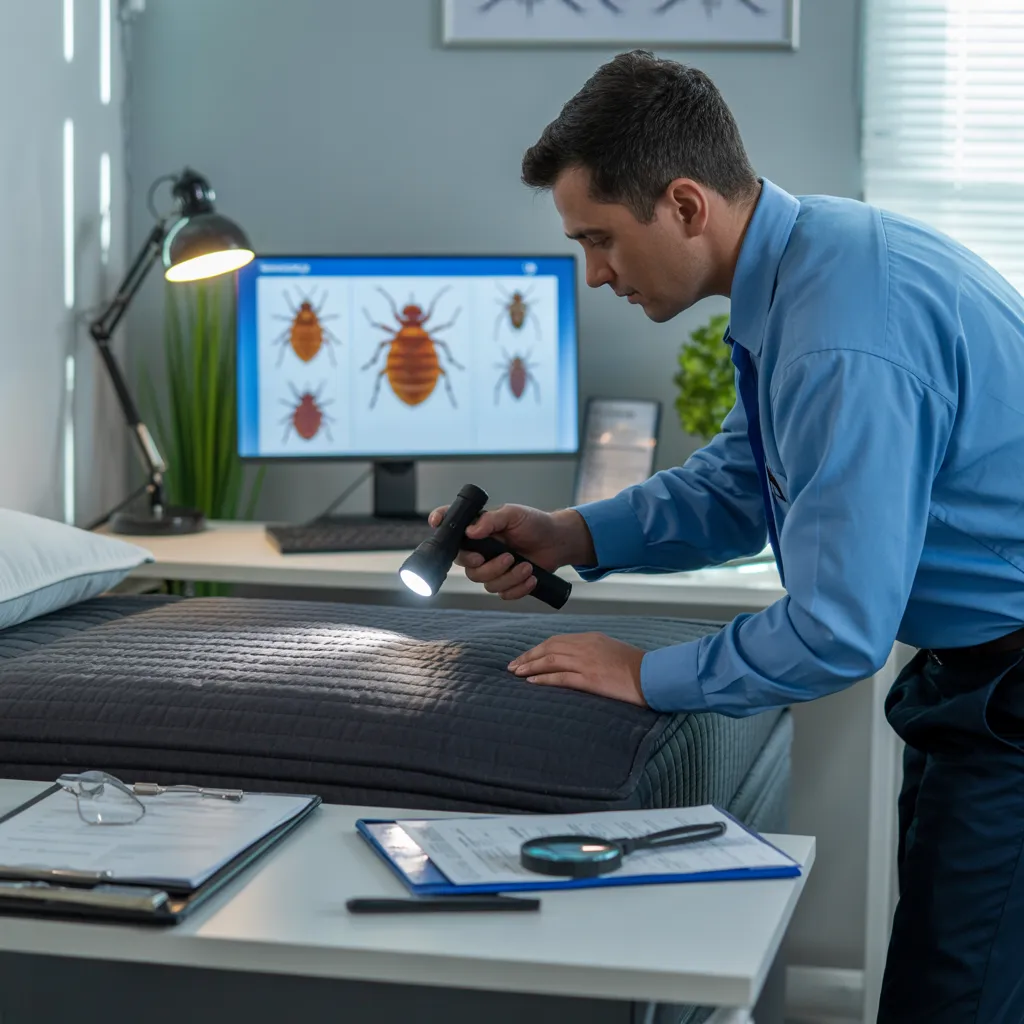
Technique to Detecting Bedbug Outbreaks Quickly
How might you spot bed bugs before they transform into a considerable problem? Timely detection is important in halting a minor issue from escalating into a massive infestation. Signs present small rust-colored pests about the size of an apple seed, often hiding in cracks of mattresses, bed frames, and furniture. Additionally, shadowy stains on linens or walls may suggest bed bug residue. Consistently inspecting rest zones is essential; examining seams, folds, and any nearby clutter can bring to light hidden pests.
An additional indicator is the existence of shed exoskeletons, which bed bugs leave behind as they develop. Mysterious bites on the skin, often arranged in lines or clusters, may also signal their existence. By being attentive and preventative, people can detect potential infestations early, reducing the need for extensive treatments and ensuring a more pleasant living environment.
Effective do-it-yourself Bed Bug Treatment approaches
When dealing with bed bug infestations, multiple efficient DIY treatment methods can be employed. Natural remedies, such as essential oils, provide a chemical-free approach, while heat therapy processes deliver a heat-based solution to eradicate pests. These tactics can empower people to handle bed bug issues without professional intervention.
Holistic Solutions for Bed Bugs
Natural remedies for bed bugs offer a variety of powerful DIY approaches that can help combat these persistent pests. One popular approach is the use of diatomaceous earth, a natural powder that can break down the exoskeletons of bed bugs upon contact, leading to dehydration. Another technique involves using essential oils, such as tea tree oil or lavender, which possess insect-repelling properties. Mixing these oils with water and spraying them in infested areas can repel bed bugs. Additionally, washing bedding and infested fabrics in hot water, followed by thorough drying, can eliminate eggs and adult bugs. Regular vacuuming of sleeping areas and furniture also lowers bed bug populations effectively, making natural remedies a viable choice for treatment.
Steam Processing Methods
While natural remedies deliver practical solutions for addressing bed bugs, steam treatment procedures supply another powerful DIY technique. These strategies leverage hot vapor to reach surfaces where bed bugs lodge, promptly eradicating them on contact. A steam cleaner get the full story with a nozzle attachment is excellent for addressing infested areas, including mattresses, carpets, and furniture. The steam should reach at least 130°F (54°C) to guarantee effectiveness. It is essential to move the nozzle slowly and methodically, allowing the heat to effectively eliminate the pests. Additionally, steam treatment is toxin-free, making it a protective option for households with children and pets. Frequent treatment can help maintain a bed bug-free environment, complementing other treatment methods for best results.
Home Security Tips for Addressing Bed Bugs
Successful bed bug treatment requires close consideration to safety to protect both occupants and their possessions. When using chemical treatments, individuals should always review and follow label instructions precisely to avoid harmful exposure. It is crucial to ventilate the affected spaces properly, ensuring that pets and children are removed throughout and following treatment. Wearing protective gear, such as masks and gloves, can minimize contact with dangerous chemicals.
In addition, applying heat treatments necessitates care; ensuring that items vulnerable to high temperatures are taken from the area is vital. For steam treatments, operators should maintain a safe distance from surfaces to prevent burns.
Finally, appropriate disposal of infested materials, such as bedding or clothing, should be carried out in tight bags to prevent spreading the infestation. By following these safety tips, residents can effectively manage bed bug treatment while safeguarding their health and environment.
Signs That Demonstrate You Should Contact Professional Help for Bed Bugs
Residents may struggle with persistent bed bug troubles despite adhering to safety tips and initial treatment methods. Determining when to seek specialist assistance is vital for effective resolution. One significant sign is the recurring presence of bites on exposed skin, particularly after treatment attempts. If individuals discover live bugs or shed exoskeletons in their bedding or furniture, it demonstrates a more severe infestation.
Moreover, if do-it-yourself approaches yield limited success after a few weeks, expert assistance may be required. A strong, musty odor in the home can also signal a bigger issue, as it implies a substantial number of bed bugs. Finally, if pest invasions spread to several areas or adjacent apartments, immediate professional assistance is vital to prevent additional spread. Overall, prompt measures can protect residents from extended suffering and major harm to their home.
Keeping Off Forthcoming Bed Bug Invasions
To effectively prevent upcoming bed bug problems, maintaining vigilance and taking preventive steps is essential. Frequent checks of sleeping areas, furnishings, and luggage can help detect initial indicators of bed bugs before they turn into a major issue. Utilizing protective encasements on mattresses and box springs can create a barrier that deters these pests.
Furthermore, minimizing clutter in living spaces minimizes potential hiding spots. When traveling, it is advisable to inspect hotel rooms and maintain luggage elevated. Laundering bedding and clothing on high heat can also destroy any potential hitchhikers.
Ultimately, informing household members about bedbug prevention awareness can be essential; recognizing the manner in which these insects travel empowers everyone to implement appropriate precautions. By maintaining a forward-thinking mindset and establishing an environment of vigilance, the likelihood of future pest occurrences can be considerably lessened.
Clearing Up Common Bed Bug Myths: What You Should to Know
Misconceptions about these insects can obstruct effective avoidance and eradication efforts. A frequent incorrect idea is that bed bugs infest only soiled homes; in truth, they can survive in any surroundings, regardless of cleanliness. Another false belief is that these pests transmit diseases; this is incorrect; while they may cause irritation and concern, they are not known to spread illnesses. Additionally, many believe that very hot or cold conditions alone can eradicate these pests. Although thermal treatments can be efficient, they require careful execution to ensure all life stages are completely eliminated. Some also think that home remedies, such as essential oils, are sufficient for treatment. Nonetheless, professional pest control services are usually necessary for thorough extermination. Finally, it is a misunderstanding that these insects only inhabit beds; they can hide in various places, including furniture, clothing, and luggage. Knowing these falsehoods is crucial for the effective management of bed bug infestations.
What to Expect During Bed Bug Pest Control
What could one expect during a bed bug treatment? To start, a thorough examination of the affected area is conducted by a professional exterminator. This assessment helps establish the extent of the problem and the most efficient treatment approaches. Residents may be recommended to prepare their residence by decluttering, laundering bedding, and vacuuming rugs.
Throughout the treatment, diverse techniques like heat treatment, chemical sprays, or a combination may be employed. It's imperative for dwellers to leave the area for protection and effectiveness.
After treatment, a follow-up inspection is typically scheduled to verify all bed bugs have been eliminated. Homeowners should remain vigilant, as some eggs may emerge post-treatment. Regular monitoring and prevention strategies are important for sustained effectiveness. Overall, patience and cooperation with the pest control team are vital for attaining enduring success in the battle against bed bugs.
Popular Questions Asked Often
Are Bed Bugs Able to survive in Extreme Temperatures?
Bed bugs have trouble to endure extreme temperatures. Being exposed to temperatures above 120°F (49°C) for at least 90 minutes can eliminate them, while freezing temperatures below 0°F (-18°C) can also eradicate them, given sufficient exposure time.
Can Bed Bugs Pass Diseases to Humans?
Bed bugs are unable to transmit diseases to humans. However, their bites can create discomfort, allergic reactions, and secondary infections due to scratching. Vigilance and quick action are required for treating infestations and associated symptoms.
What Duration Can Bed Bugs Live Without Nourishment?
Bed bugs manage to survive without feeding for several months, typically between two to six months under ideal conditions. Their resilience allows them to endure prolonged stretches without a feeding source, creating challenges for pest elimination efforts.
Is there a link between bed bug preference and specific colors?
Bed bugs are mainly drawn to warmth and carbon dioxide rather than specific colors. However, some studies suggest they may prefer darker shades, possibly because these shades can replicate the shelter areas they typically prefer.
Can Your animals convey Bed Bugs Into the Home?
Pets may accidentally transport bed bugs into your home, since these parasites could stick to their fur or possessions. Regular grooming and checking can help minimize the risk of introducing bed bugs via pets.